
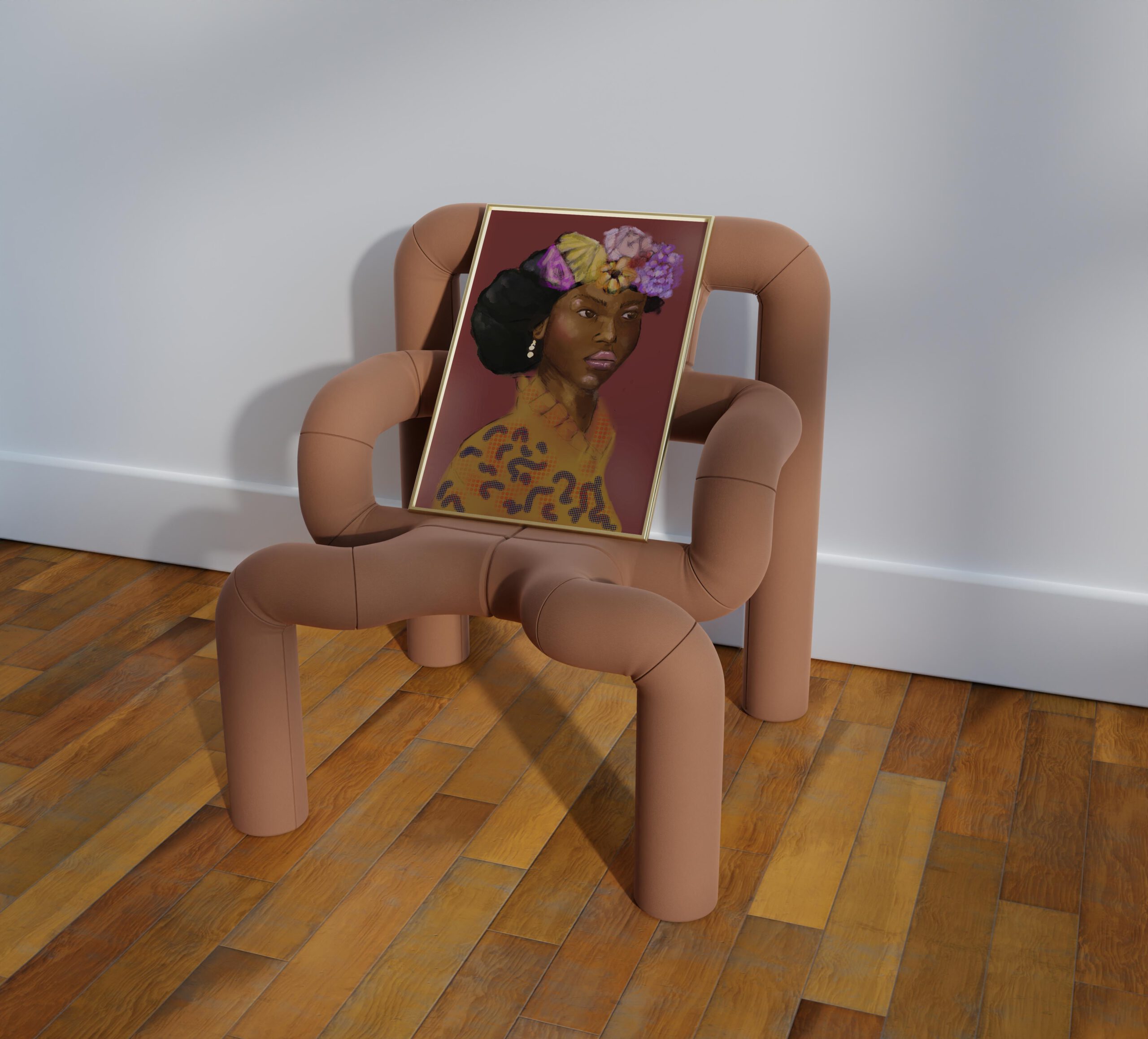
Amsterdam’s museum collections have long centered white European, male perspectives—a fact often recited in diversity debates but rarely dissected for its systemic implications. While senior museum voices estimate that rebalancing these collections to include more women and artists of color may take up to a century, this framing resigns realignment to a distant future and risks entrenching structural inequity.
What’s at stake is not just the pace of institutional change, but the paradigms that govern how cultural identity is constructed in galleries and art studios. This article unpacks the hidden logics behind “slow” collection reform, connects them to broader questions of systems, labor, and power, and concludes with a practical call to creative solution based thinking for artists, curators, and cultural workers determined to shift the art world now—not in a hundred years.
The Pace of Progress: Numbers, Narratives, and the Illusion of Inevitability
Discussing the Amsterdam Museum’s collection, its former director noted that only 8–9% of works are by women, and representation of artists of color is closer to 1%—aligning with broader Dutch museum trends. The stated expectation: real change in these ratios will require a century or more, largely due to historic acquisition priorities and current budget constraints. On the surface, this data-driven approach appears candid. Yet, by projecting systemic balancing so far into the future, institutions risk confirming the very frameworks that rendered their collections exclusionary to begin with—namely, a persistent centering of white, European “creativity” as normative and universal. Why accept these timelines as unalterable? Who benefits from a mindset that defers structural equity?
Unpacking the System: Whose Identity Does the Gallery Serve?
This isn’t merely an arithmetic issue but a question of paradigm shift. Dutch culture has never existed in a vacuum; it has absorbed, shaped, and been transformed by Afro-Caribbean and other diasporic presences in everyday life, creative labor, and the market. Still, when visitors buy a ticket to view “Dutch art,” they rarely see themselves—unless their identity aligns with the collection’s dominant group. To persist in treating the European, white paradigm as baseline—and to task marginalized groups with patience—signals a commitment to outmoded hierarchies long overdue for reassessment. It calls into question the underlying mindset that guides not only what is collected but how history is told, who curates, and whose worldviews set the terms of reference in every major art studio and gallery display.
Creative Solution Based Thinking: From Budget Excuses to Systemic Intervention
While institutional leaders cite limited budgets and slow change, it is clear that rebalancing collections is not simply a financial puzzle but a test of will and imagination. Structures that define “acquisition criteria” or “artistic merit” are inherently flexible—when driven by creative solution based thinking. Multiple Dutch museums are piloting new collaborative models, involving local communities in curatorial decisions and acquiring works that reflect more plural cultural backgrounds. This approach chips away at the legitimacy of slow, top-down reforms and invites artists, creatives, and curators to re strategize. Practical steps include:
- Refuse passive timelines: Insist on annual public accountability for collection demographics in every gallery and art studio.
- Re-engineer acquisition processes: Shift budgets and priorities, even incrementally, to support broader forms of creative and cultural identity—especially overlooked practitioners from the Afro-Caribbean diaspora and other marginalized groups.
- Co-create with purpose: Build participatory curating and commissioning initiatives that allow different perspectives to shape what “contemporary art” means now, rather than waiting for the past to self-correct.
A Call for a New Mindset: Infrastructure, Not Inspiration
For artists, curators, and collectors aligned with the Afro-Caribbean diaspora and international creative communities, the question is not if a paradigm shift is needed, but how to pressure and resource it. The art world’s infrastructure—its labor, policies, and physical spaces—should reflect the realities of those it claims to serve, rather than offering a slow trickle of recognition. The real opportunity lies in collective agency: joining professional networks, advocating for specific policy change, and demanding transparent metrics on institutional progress. Don’t settle for century-long forecasts. Claim your stake in defining which cultural identities set the benchmark for Dutch and international contemporary art—today, not tomorrow.
For more critical writing, resources, and strategies, subscribe to this blog and newsletter, or visit our website. Stay connected with a global community reframing the art world from the ground up.
Geef een reactie