
Categorie: Uncategorized

  • The Illusion of Visibility: Why I, as an Artist, Want to Be Seen Without Performing for Social Media

    The Illusion of Visibility: Why I, as an Artist, Want to Be Seen Without Performing for Social Media

    The Illusion of Visibility: Why I Want to Be Seen Without Performing for Social Media

    Authenticity and the Hunger for Recognition

    The demand for self-presentation in social media-driven art spaces strips away layers of truth, encouraging artists to become performers rather than creators. The idea that visibility in the art world now depends less on the value of the work and more on how adeptly one plays the algorithm strikes me as both ironic and frustrating. I crave recognition, but not at the cost of endlessly constructing a digital persona. The illusion of visibility is seductive—numbers rise, engagement appears—but does it equate to being genuinely seen?

    The Dilemma of Performing for the Feed

    There is an unspoken pressure to design every post, every story, for maximum shareability and virality. The artist’s studio, once sacred and private, is transformed into a transparent space for spectatorship. The internal process—quiet, chaotic, and often ugly—becomes secondary to the curated highlight reel. This shift distorts the artist’s role from storyteller to content producer, feeding a cycle that rarely nourishes true connection with those who seek authentic contemporary art.

    What Does It Mean to Be Seen?

    I want to be seen for what I make—not for my ability to bend to the trends or structure my day around visibility strategies. My work exists to invite people in, to pause, reflect, and examine stories that lie beneath the surface. I want that initial magnetism to come from a place of substance. In the rush to capture fleeting audience attention, art sometimes loses its capacity for vulnerability.

    Resisting the Spectacle

    Choosing not to perform comes with risks. Algorithms punish inconsistency, followers dwindle, reach shrinks. But trading my own sense of purpose for fleeting spikes in analytics isn’t the path I want. I am not interested in moulding my art practice to fit the narrow criteria of online virality. My intention is to offer those searching for connection through art something real—work that honours complexity, quiet discovery, and the human impulse to create with intention.

    Visibility Reimagined

    The communities, curators, and collectors I want to reach are looking for honest self-expression and the kind of art that respects its origins. Building authentic connections with people who value the long view matters more than fleeting impressions in a feed. I want to be seen through the lens of engagement that feels mutual, sustainable, and deeply rooted in respect for the stories I tell.

    An Invitation to Seek and See

    For those searching for meaning, let’s move beyond the surface, beyond metrics and performance. Explore my newsletter for regular studio updates, deeper reflections, and opportunities to collect my work. Visit my work and shop for more pieces that invite you to look again, and connect on a level that algorithms will never reach.
  • Who Defines the Canon? Rethinking Collection Imbalances in Amsterdam’s Art Museums

    Who Defines the Canon? Rethinking Collection Imbalances in Amsterdam’s Art Museums


    Amsterdam’s museum collections have long centered white European, male perspectives—a fact often recited in diversity debates but rarely dissected for its systemic implications. While senior museum voices estimate that rebalancing these collections to include more women and artists of color may take up to a century, this framing resigns realignment to a distant future and risks entrenching structural inequity.

    What’s at stake is not just the pace of institutional change, but the paradigms that govern how cultural identity is constructed in galleries and art studios. This article unpacks the hidden logics behind “slow” collection reform, connects them to broader questions of systems, labor, and power, and concludes with a practical call to creative solution based thinking for artists, curators, and cultural workers determined to shift the art world now—not in a hundred years.

    The Pace of Progress: Numbers, Narratives, and the Illusion of Inevitability

    Discussing the Amsterdam Museum’s collection, its former director noted that only 8–9% of works are by women, and representation of artists of color is closer to 1%—aligning with broader Dutch museum trends. The stated expectation: real change in these ratios will require a century or more, largely due to historic acquisition priorities and current budget constraints. On the surface, this data-driven approach appears candid. Yet, by projecting systemic balancing so far into the future, institutions risk confirming the very frameworks that rendered their collections exclusionary to begin with—namely, a persistent centering of white, European “creativity” as normative and universal. Why accept these timelines as unalterable? Who benefits from a mindset that defers structural equity?

    Unpacking the System: Whose Identity Does the Gallery Serve?

    This isn’t merely an arithmetic issue but a question of paradigm shift. Dutch culture has never existed in a vacuum; it has absorbed, shaped, and been transformed by Afro-Caribbean and other diasporic presences in everyday life, creative labor, and the market. Still, when visitors buy a ticket to view “Dutch art,” they rarely see themselves—unless their identity aligns with the collection’s dominant group. To persist in treating the European, white paradigm as baseline—and to task marginalized groups with patience—signals a commitment to outmoded hierarchies long overdue for reassessment. It calls into question the underlying mindset that guides not only what is collected but how history is told, who curates, and whose worldviews set the terms of reference in every major art studio and gallery display.

    Creative Solution Based Thinking: From Budget Excuses to Systemic Intervention

    While institutional leaders cite limited budgets and slow change, it is clear that rebalancing collections is not simply a financial puzzle but a test of will and imagination. Structures that define “acquisition criteria” or “artistic merit” are inherently flexible—when driven by creative solution based thinking. Multiple Dutch museums are piloting new collaborative models, involving local communities in curatorial decisions and acquiring works that reflect more plural cultural backgrounds. This approach chips away at the legitimacy of slow, top-down reforms and invites artists, creatives, and curators to re strategize. Practical steps include:

    • Refuse passive timelines: Insist on annual public accountability for collection demographics in every gallery and art studio.
    • Re-engineer acquisition processes: Shift budgets and priorities, even incrementally, to support broader forms of creative and cultural identity—especially overlooked practitioners from the Afro-Caribbean diaspora and other marginalized groups.
    • Co-create with purpose: Build participatory curating and commissioning initiatives that allow different perspectives to shape what “contemporary art” means now, rather than waiting for the past to self-correct.

    A Call for a New Mindset: Infrastructure, Not Inspiration

    For artists, curators, and collectors aligned with the Afro-Caribbean diaspora and international creative communities, the question is not if a paradigm shift is needed, but how to pressure and resource it. The art world’s infrastructure—its labor, policies, and physical spaces—should reflect the realities of those it claims to serve, rather than offering a slow trickle of recognition. The real opportunity lies in collective agency: joining professional networks, advocating for specific policy change, and demanding transparent metrics on institutional progress. Don’t settle for century-long forecasts. Claim your stake in defining which cultural identities set the benchmark for Dutch and international contemporary art—today, not tomorrow.

    For more critical writing, resources, and strategies, subscribe to this blog and newsletter, or visit our website. Stay connected with a global community reframing the art world from the ground up.

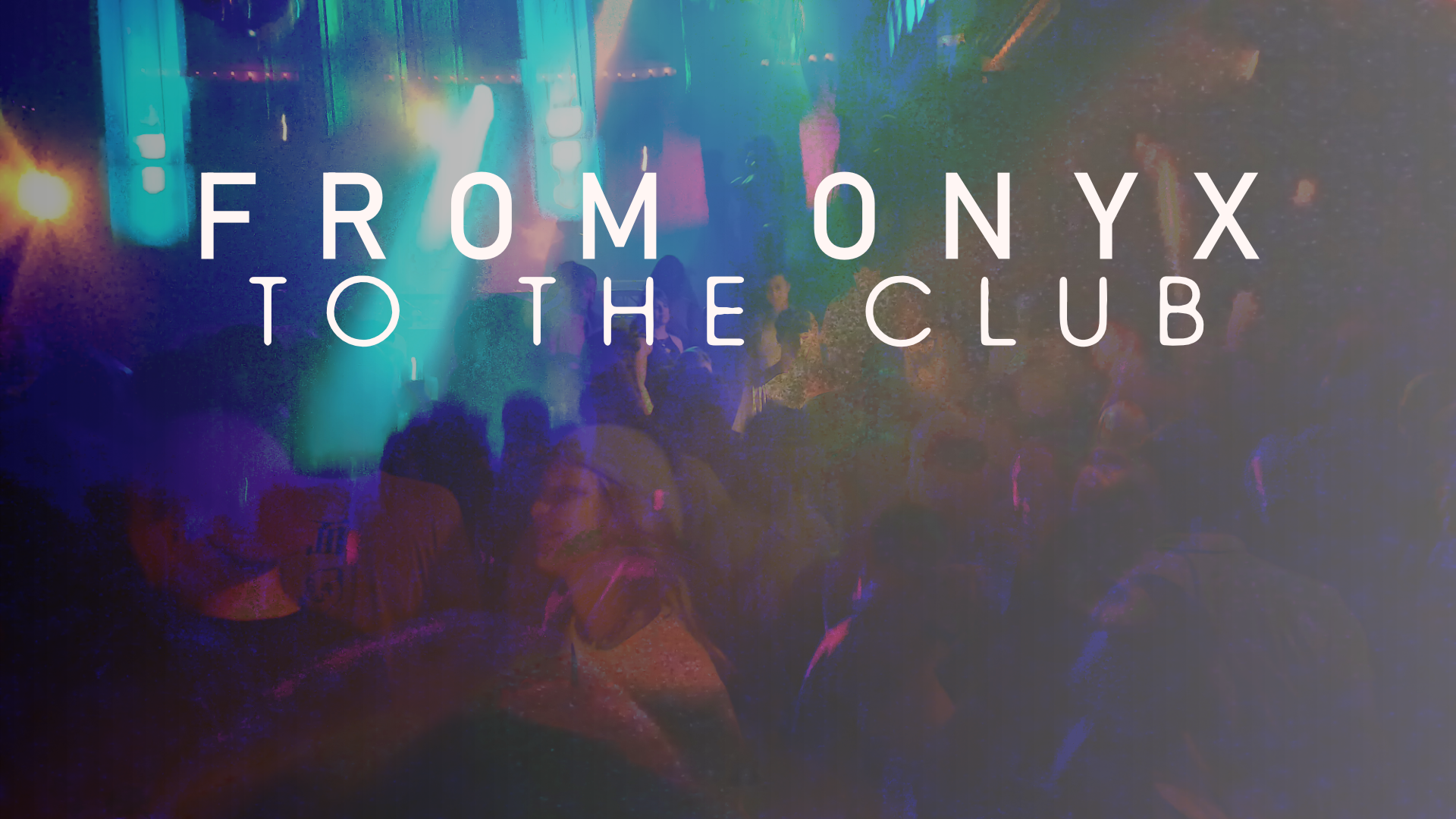
  • Exhibition: From Onyx To The Club. Walking Through The Intelligence of House Music And Culture.

    Exhibition: From Onyx To The Club. Walking Through The Intelligence of House Music And Culture.

    Contemporary Art as Ancestral Algorithm

    The upcoming exhibition set between October 22 and 26, proposes a bold shift in how international artists, curators, and art collectors engage with house music and contemporary art. Central to The Base is an explicit interrogation of house music as an ancestral algorithm—a system inheriting intelligence, resilience, and computation from pre-digital cultural forms.

    This critique calls for a paradigm shift: beyond AI, beyond the gallery, towards art studios as sites of collective problem-solving where the labor and mindset shaping creative solution based thinking hold center stage. Today is the final opportunity to secure free tickets and engage in this live and virtual dialogue, amplifying the Afro-Caribbean diaspora’s role in reimagining cultural identity. Practical action is clear—visit the website, sign up for the blog and newsletter, and claim your place at The Base to help build the next global infrastructure for contemporary art.

    Rethinking The Gallery: Art as Algorithm, Not Commodity

    The Base resists the conventions of Western art world economics—the club, the ticket, the labor, each step is more than a transaction. When the speaker calls attention to uncollected tickets and direct DM outreach, they name the tension between collective access and explicit systems of exclusion. Behind the insistence, “You have today, September 15, to get your free tickets,” lies a critique of commodification: art studios and galleries cannot remain passive distribution centers. Here, tickets function as protocols of participation, not objects for sale. Artists and curators are called to shift mindset, treating exhibitions as active infrastructures where creative solution based thinking reconfigures gallery economics. Labor is no longer invisibilized but acknowledged as the necessary engine of paradigm shift.

    Ancestral Intelligence vs. Artificial Intelligence: The Cultural Equation

    The Base exhibition explicitly interrogates: Is house music itself an ancestral algorithm? Does it invert or precede the intelligence encoded in artificial systems? By centering contemporary art from the Afro-Caribbean diaspora, this framing breaks the false binary between technological and cultural computation. The exhibition equates the rhythm, repetition, and innovation of house music with inherited intelligence—ancestral intelligence—posited against and within artificial intelligence. For international artists and thinkers, this is not a rhetorical flourish but a strategic shift. Creative solution based thinking emerges from the studio, responding to the persistent labor of making, remixing, and sustaining identity in systems that too often quantify, extract, and silence collective memory. The question for all is practical: How can galleries, art studios, and curators operationalize ancestral intelligence as infrastructure rather than spectacle?

    Call to Build: Infrastructure, Not Inspiration

    The Base is not delivering inspiration; it demands construction. Readers—whether artists, curators, or art collectors—are tasked with enacting a new paradigm shift: art exhibitions as algorithmic, infrastructural nodes assembling creative community. Action is immediate and direct. Visit the website. Choose The Base. Subscribe to the newsletter and blog as entry points to the studio and gallery dialogue. If the link is inaccessible, send a direct message with your intent and e-mail—decisive participation is the new currency. Treat the exhibition not as an event, but as a prototype for scalable, globally relevant infrastructure. Collectively, artists and curators build not only systems for exhibiting cultural identity, but architectures for sustainable labor, critique of economic power, and distributed intelligence anchored in the contemporary art of the Afro-Caribbean diaspora.

    Practical Takeaway: Shaping the Next Paradigm Shift

    Shift your mindset from passive observer to infrastructure builder. Claim your free ticket—whether virtually or in person—and join the dialogue. Practice creative solution based thinking by collaborating beyond the commodity form. Subscribe, participate, and contribute your expertise to operationalize ancestral intelligence within contemporary art’s global infrastructure. Today is the last day for direct access. Act, not to attend, but to build.